LO 1 - Interactive Media Design and User-Centric Development
Orientation in the relevant tech, media, and design landscape, combined with the creation of interactive media products that are tested with users and stakeholders.
Evidence 1: Branding
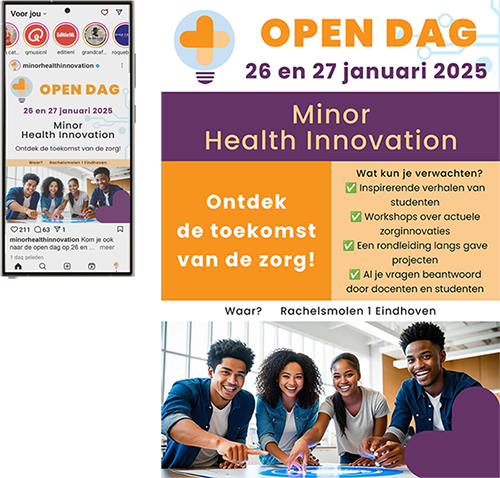
- For this project, I developed a consistent brand identity and applied it to designs like a poster and an Instagram post. These designs were created with the target audience—bachelor students in their 3rd or 4th year— in mind, ensuring they were clear, engaging, and relevant. I focused on the minor’s core values, which reflect the audience's goals for innovation and personal growth, following user-centered design principles.
Reflection
- This project helped me understand the importance of aligning design decisions with the target audience’s needs and preferences. By emphasizing clarity and visual appeal, I was able to create designs that effectively communicated the minor’s message. In the future, I would like to involve direct user feedback during the design process to ensure that the materials resonate more strongly with the intended audience..
Evidence 2: Media Campaign
- During a group project, I conducted research on the social media strategy of the post-punk band Nasmak. The goal was to understand how the band could better engage their niche audience and expand their fan base. By conducting trend analyses, platform analyses (including Instagram, TikTok, and YouTube), and studying engagement data, I made several recommendations:
- • Using interactive content such as polls and fan-driven activities.
- • Creating short, creative videos for Instagram Reels and TikTok.
- • Building a sense of community through direct interaction with fans and sharing user-generated content.
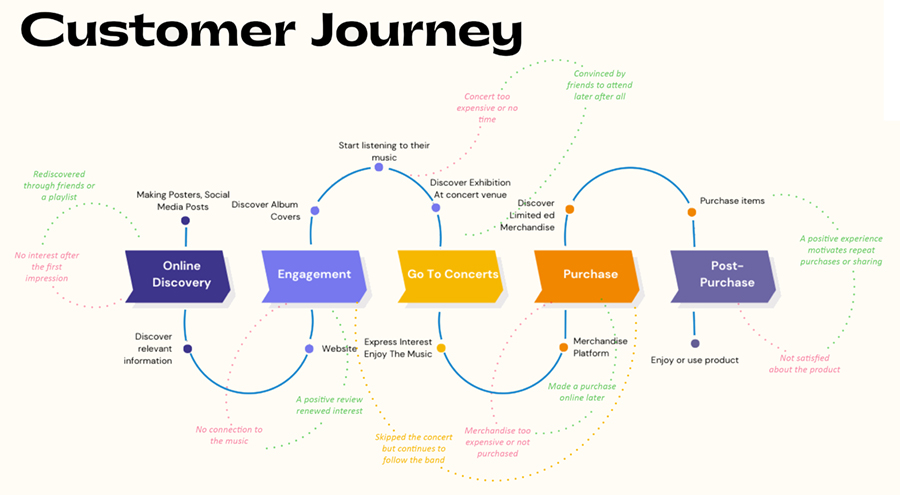
I revisualized the band's customer journey, which maps the typical path their audience takes—from discovering the band to becoming loyal fans. This diagram initially depicted an idealized journey, but after feedback, I revised it to include realistic scenarios, such as users dropping off, re-engaging, or skipping certain stages. By incorporating these alternate paths, I was able to reflect the true diversity of user behavior and identify new opportunities for engagement, such as retargeting campaigns and leveraging positive word-of-mouth to win back interest.
Reflection
- This project demonstrated my ability to analyze trends and user behavior while creating strategies and tools to engage users effectively. The development of the Customer Journey particularly helped me understand how to visualize user interactions and the factors that influence their decisions. Revising the journey based on feedback taught me the importance of being flexible and realistic in design. One key takeaway for me was that engaging users isn’t just about delivering content—it’s about creating a meaningful connection at each touchpoint of their journey. Moving forward, I want to further refine my approach by collecting direct feedback from users, such as through interviews or surveys, to make my strategies even more tailored and impactful.
- For the media campaign, I designed a poster. After our presentation to the band, I spoke with Toon, one of the first members of Nasmak. He has been with the band since the beginning. I showed him my poster and asked for his opinion. I did not record this conversation/short interview. From my review conversation, it became clear that I had used too little user/expert validation. Therefore, I have written down what I remember from the conversation and included the interview here. From the conversation, it became clear that Toon was able to extract the message I wanted to convey with my poster.
Evidence 3: Development Project
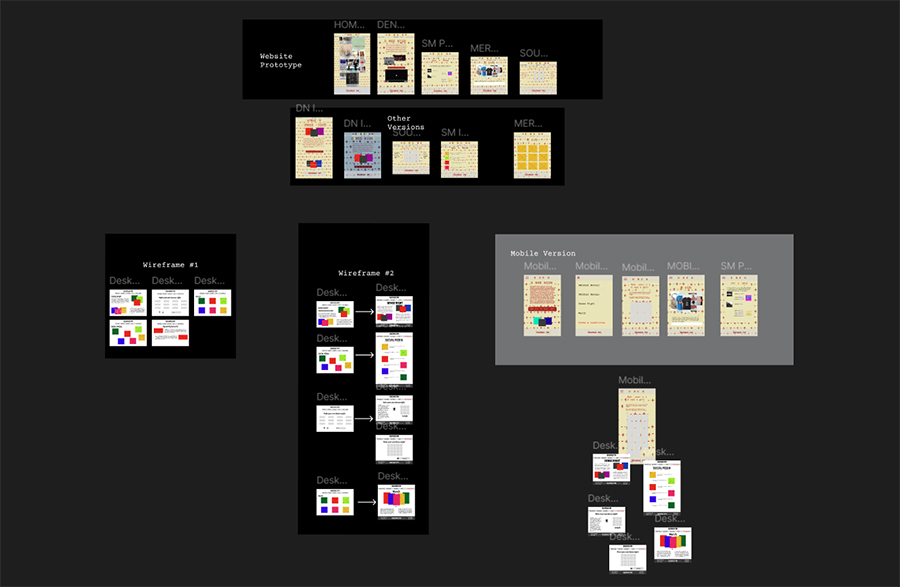
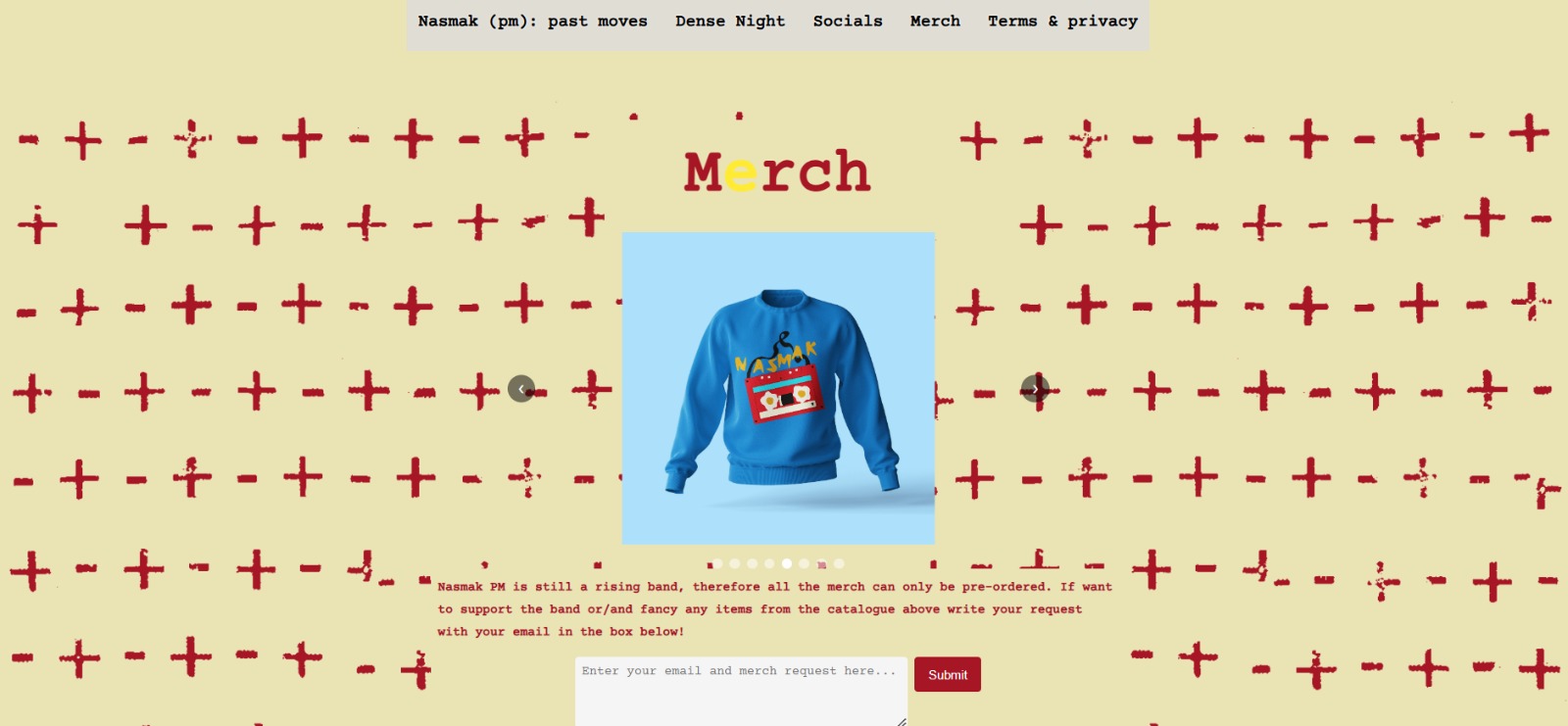
- In this project, I worked on developing an interactive website for the Dense Night event. The focus was on creating a user-friendly interface that was not only visually appealing but also enhanced the overall user experience.
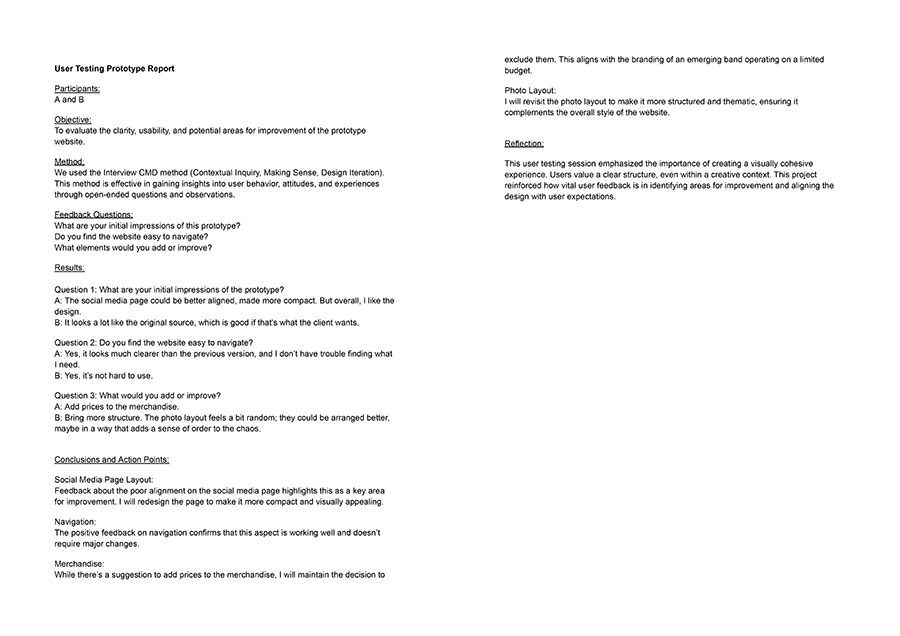
I created a wireframe for our client which we then user tested to improve its form. We improved it and then created the prototypes after which we user tested them, made the changes to the prototype. Then I showed it to the client for feedback.
The goal was to develop a functional and user-friendly website design that met the client’s needs. User testing was crucial to ensure the design was intuitive and responsive.

Reflection
- This project taught me the importance of designing with the end-user in mind. By user-testing the prototype and collecting feedback, I learned how to identify pain points and adjust the design to meet user needs. I also gained a deeper understanding of how small design changes can significantly improve user interaction.
Evidence 4: Project X
- I developed a Virtual Interactive Sandbox prototype that allows users to manipulate objects and interact with physics simulations. By designing features such as object placement and an intuitive user interface, I focused on creating an engaging and user-friendly experience. The creation of a visually appealing skybox further enhanced the environment's interactivity..
Reflection
- This project taught me how to think from a user’s perspective when designing interactive environments. While I didn’t gather direct user feedback, I ensured the interface was intuitive and tested the functionality repeatedly. In the future, I aim to involve real users to refine the design further..
LO 2 - Front-End Development: Coding, Documentation, and Version Control
Exploring front-end development languages, writing code and document in a version control environment.
Evidence 1: Portfolio
- For my portfolio project, I’ve completed the basic structure of the website using HTML and CSS. I haven’t yet used JavaScript, but I plan to add it in the next steps to make the website more interactive. One of the things I’ve managed to do so far is to code an image with movement (smoke effect) using HTML and CSS, though I still need to insert it into the website. I’m developing the website using Visual Studio Code, which has helped me stay organized as I work through the design and functionality.
Reflection
- Building my portfolio website has been a great opportunity to practice my HTML and CSS skills. While the basic structure is complete, I’m now looking forward to learning and implementing JavaScript to add more interactive elements. The smoke effect I created using HTML and CSS was a fun challenge, and it taught me a lot about how animations can be integrated into web design. I’m excited to continue improving the website and using JavaScript to enhance its functionality and interactivity.

Evidence 2: Development Project
- For this project, I developed the website using HTML, CSS, and JavaScript. I implemented interactive features such as clickable elements and animations, ensuring the design was responsive. I also documented the code thoroughly and used version control with Gitlapto track changes and collaborate effectively with my teammate. By using these tools, I ensured the project was well-managed and that no important adjustments were lost.
Reflection
- Through this project, I enhanced my coding skills, particularly in JavaScript, by implementing dynamic website elements. Using version control taught me how to track changes effectively and work collaboratively in a structured environment. Using GitLab taught me that version control is important. You get regular backups of every project. If accidents happen you always have a back-up. And you always can go back to a previous version you make.
Evidence 3: Animation
- To further experiment with HTML and CSS and improve my skills, I created a moving animation using only HTML and CSS. This allowed me to explore advanced features of these languages and gain a deeper understanding of how animations work in web development.
Reflection
- Creating this animation helped me understand how small changes in code can produce dynamic visual effects. It was challenging at first, but it taught me to be patient and detail-oriented. This experience not only improved my technical skills but also boosted my confidence in experimenting with new ideas in web design.
Evidence 4: Project X
- I built the sandbox prototype using HTML, CSS, and JavaScript in Visual Studio Code. Through trial and error, I implemented core features such as physics simulations and object manipulation. I documented the steps I followed and organized my code for clarity and scalability.
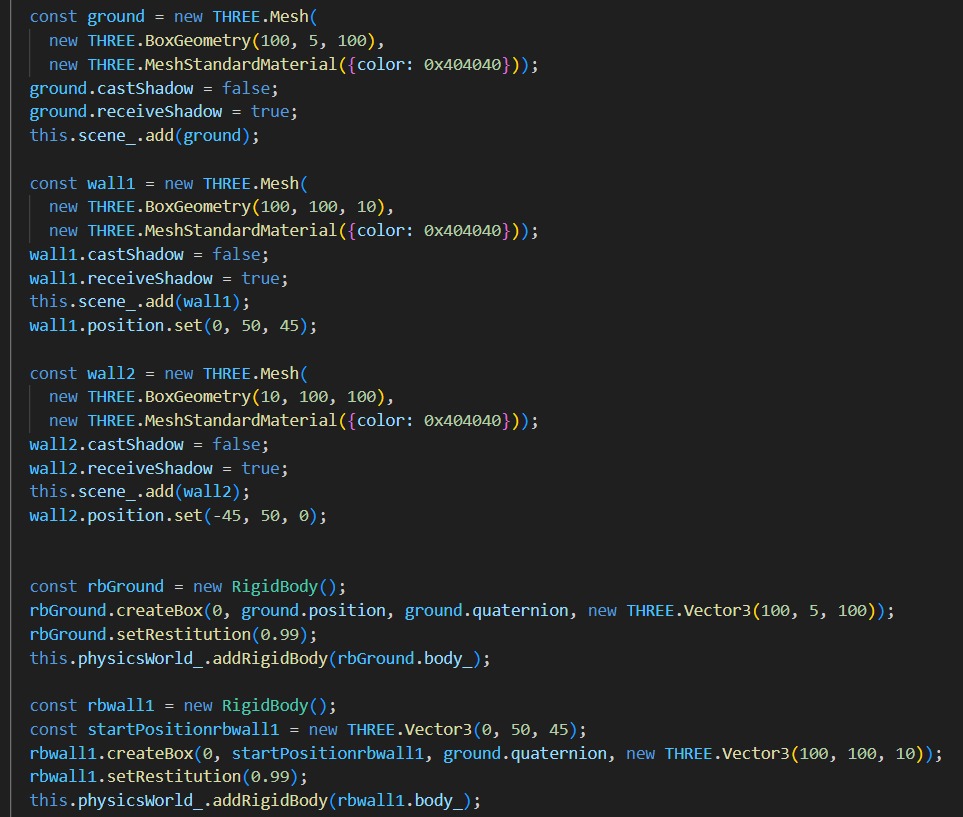
- Here you can find the link to GitLab for Project X.
Reflection
- This project improved my coding skills and showed me how to approach complex challenges methodically. Experimenting with JavaScript for physics and interaction was particularly rewarding. I learned the importance of clean code and proper documentation, which I plan to prioritize even more in future projects.
LO 3 - Professional Design Tool Proficiency and Iterative Visual Design
Exploring and using professional design tools and iteratively designing visual works.
Evidence 1: Portfolio
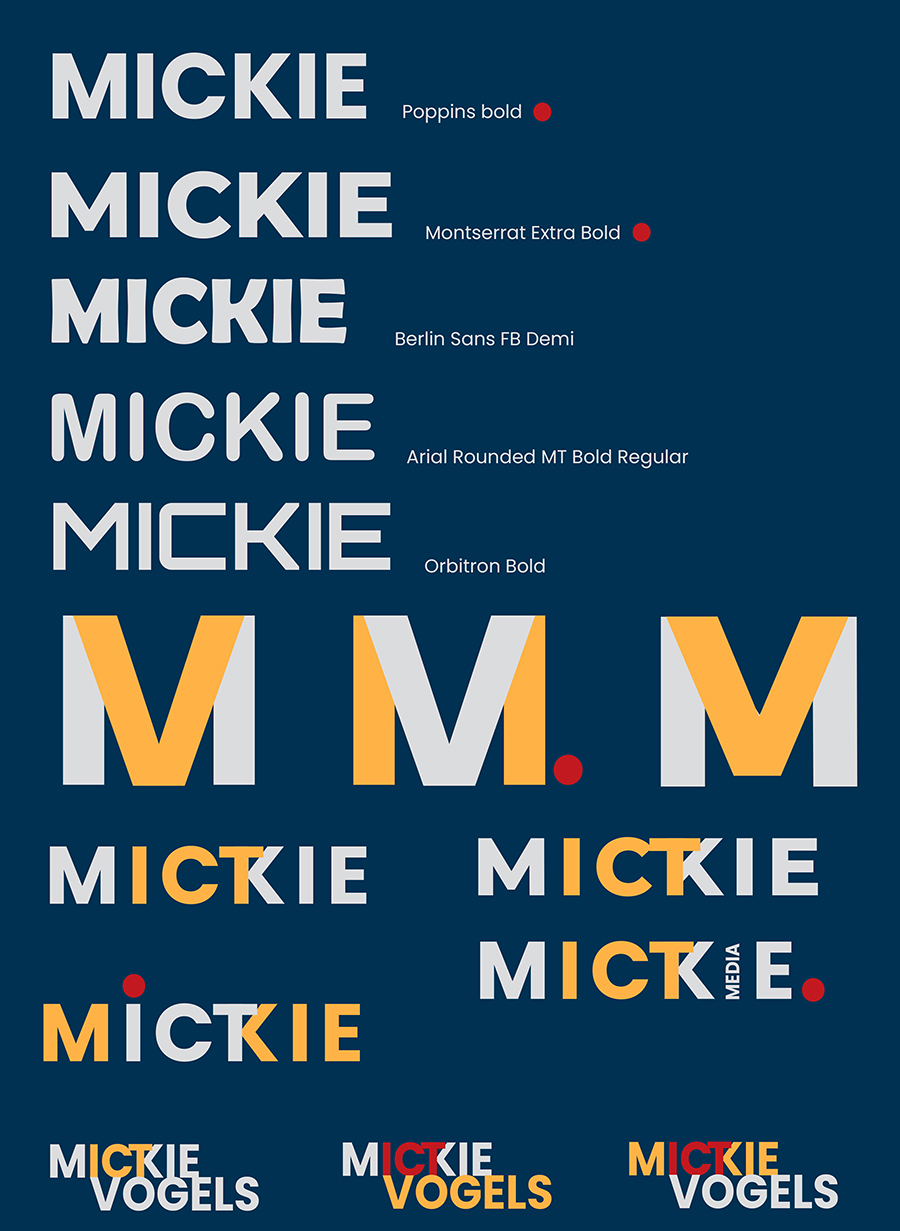
- For my portfolio, I designed a logo by starting with the words "ICT" and "MICKIE," sketching out ideas to explore the connection between the two. After experimenting extensively with colors and letter shapes, I finalized my logo. Additionally, I used Photoshop to explore and refine the layout for my webpage, experimenting with different designs to create a clear and visually appealing structure.
Reflection
- Reflection:
This process taught me the importance of experimenting and being open to new ideas during the design phase. By exploring different variations and trying out unique combinations of letters and colors, I was able to create a logo that feels personal and professional. Working in Photoshop also helped me improve my design skills and understand how small details can have a big impact on the overall look and feel. This experience has made me more confident in using professional tools and applying an iterative approach to achieve the best results.
Evidence 2: Branding
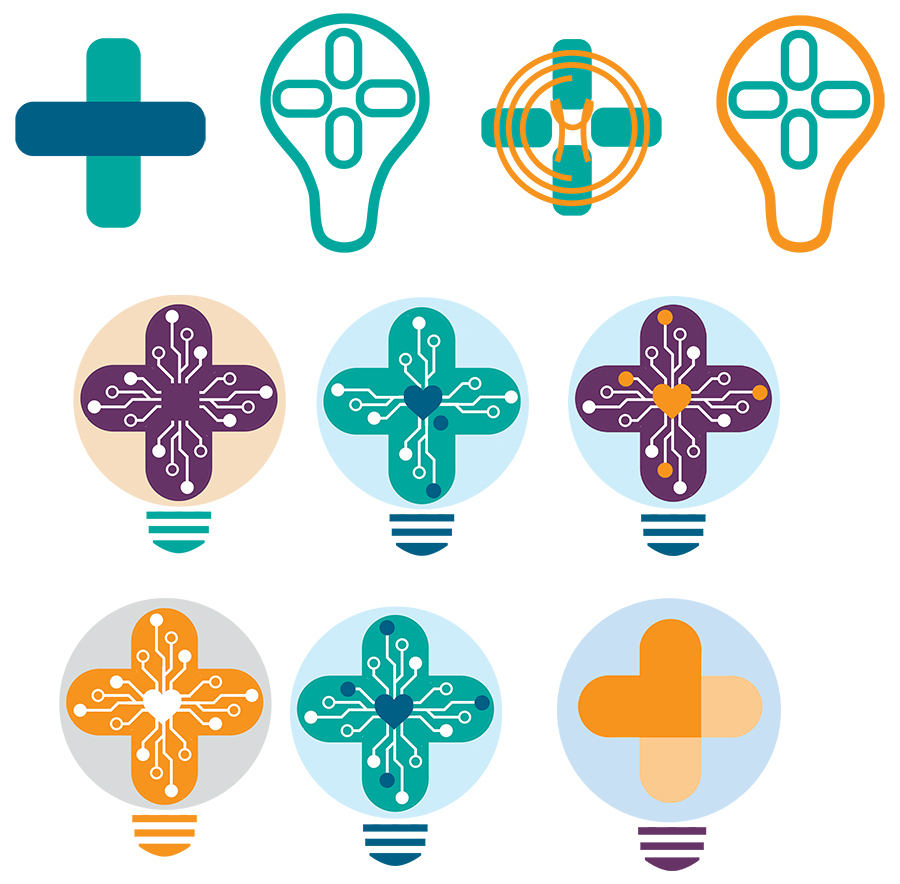
- I used professional design tools, including Adobe Illustrator and Photoshop, to create the logo, poster, and Instagram post for the Health Innovation minor. The logo underwent several iterations, starting with a concept featuring multiple symbols (light bulb, cross, heart, and dot-and-line motif) before simplifying it into a clear, functional design.
Reflection
- This project enhanced my proficiency in using design tools and deepened my understanding of iterative design. Each iteration brought the logo closer to a clean and practical solution. I learned that simplicity often enhances usability and impact. In the future, I aim to gather more feedback during the iterative process to refine my designs further.
Evidence 3: Development Project
- I used Figma to create wireframes and prototypes, working iteratively on the design. By regularly collecting feedback from users and stakeholders, I was able to refine and improve the design. I also designed visual elements for the website, including the branding and merchandise. All of this was done with the aim of creating a visual style that was both appealing and user-friendly.
Reflection
- This project helped me refine my skills in using professional tools like Figma to produce high-quality prototypes. I also learned the importance of iterative design: testing, receiving feedback, and improving the visual elements. The experience made me more confident in balancing creativity with functionality.
- Here you can find the link to GitLab for my portfolio.
LO 4 - Ba - Professional standard
Applying professional practice, both individually and in teams, in the areas of project organisation, communication with stakeholders, exploratory research, and reporting.
Evidence 1: Media Campaign
- In analyzing Nasmak's social media and merchandise strategy, I followed a professional approach. By applying the Competitive Analysis method, I gained insights into the opportunities within the merchandise market for niche post-punk bands. This included:
- • Identifying successful strategies from competitors.
- • Recommending merchandise options that align with Nasmak's identity, such as low-cost items (pins, patches) and unique ideas like the "We Are All Members" theme.
- • Practical sales strategies, including a focus on concerts, Bandcamp, and limited editions.
- Additionally, I had conversations with the band and saw them perform, which gave me a better understanding of their style and how it translates into their brand and merchandise.
Reflection
- This project highlights my ability to work methodically and make effective recommendations based on competitive research. My structured approach, including the use of the CMD methodology, demonstrates that I am able to work according to professional standards. The conversations with the band and seeing them play, further deepened my understanding of their identity and needs. In the future I will get in contact more with stakeholders, to gain more direct insights and adapt my analysis even more specifically to their needs.
Evidence 2: Branding
- I independently managed the entire project, from research and concept development to execution. This included analyzing the minor’s website and PowerPoint, conducting exploratory research on color psychology, and reporting my findings in the form of a comprehensive brand guide. I also created deliverables (poster and Instagram post) that meet professional standards and align with Fontys’ house style.
Reflection
- Working independently on this project taught me the value of self-discipline and organization. Despite the challenges of working alone, I was able to deliver high-quality results. However, I missed the opportunity for collaboration and peer feedback, which could have added new perspectives. In future projects, I will prioritize seeking input from others to enhance the outcomes.
Evidence 3: Development Project
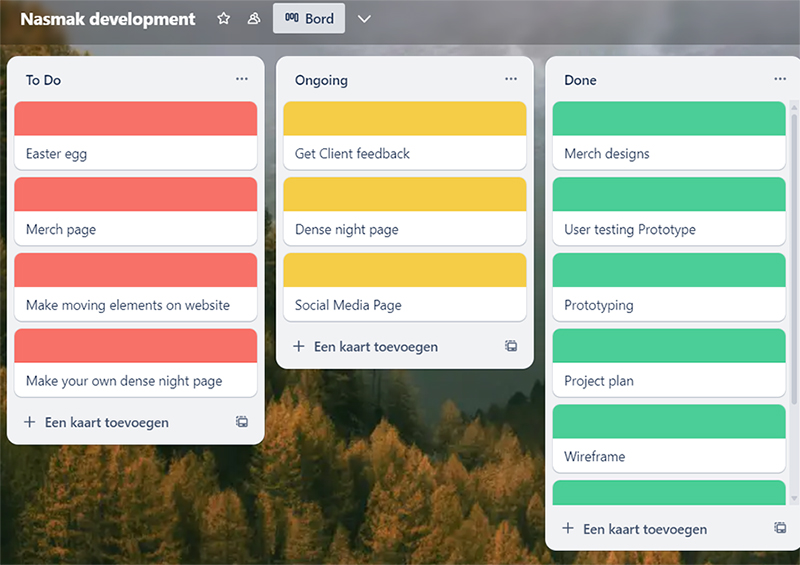
- Together with my teammate, I created a project plan. We used Trello to track progress and organize our work. We did some research to understand the client’s needs and used that information to guide both the design and technical aspects of the website. During the project, we contacted the client to gather feedback and refine the design and implementation.
Reflection
- Working with a project plan and using tools like Trello helped me structure my work and maintain clarity throughout the process. Collaborating with my teammate and communicating with the client taught me the importance of having a clear workflow and being open to feedback. This project reinforced the value of professional organization and constant communication.
Evidence 4: Project X
- I approached this project systematically by researching, planning, and breaking the development into manageable steps. Weekly milestones helped me stay on track, and I sought guidance from my instructor when needed. I also kept detailed documentation of my progress and outcomes.
Reflection
- This project showed me how to manage time effectively and work according to professional standards. Balancing creativity with technical problem-solving was a challenge, but staying organized helped me succeed. In the future, I’d like to further improve my ability to handle multiple features simultaneously.
Reflection on absence and working in a team
- During the assessment, it became clear that there is room for improvement in my approach to reflection and teamwork. My instructor noted that I was absent for an extended period, and there was no reflection included on how I still managed to contribute effectively to group projects.
I’ve been absent due to long COVID, which leaves me exhausted after even small efforts. Tasks like remembering appointments or having conversations feel heavy, and rest doesn’t help. I sometimes sleep up to 18 hours straight. My body often doesn’t cooperate, with muscle pain and headaches making me feel constantly behind. Some days or weeks I feel better, and it seems like everything is fine again, but then it all suddenly comes back, as if my body is reminding me that I can’t function at full capacity.
This unpredictability sometimes makes school and social situations difficult. I then feel guilty and worry that others see me as lazy or exaggerating, but it’s hard to explain when both body and mind won’t work as they should.
Despite this, I maintained involvement in my team’s progress through digital tools such as e-mail, a Whatsapp-group and Trello. This allowed me to stay engaged even when I couldn’t always meet in person. I communicated updates about my progress and ensured that my contribution was completed on time as much as possible.
Reflecting on my absence, I realize the importance of maintaining open communication with my team and being transparent about my limitations. This experience taught me to plan my workload carefully and prioritize tasks that could be completed independently while still aligning with the team’s objectives.
My Goal
- My goal is to become a professional who is not only technically skilled but also a reliable and inspiring team player. By reflecting consistently, performing thorough research, and encouraging open communication, I aim to make a positive impact on my teams and projects. My preference for smaller team environments will remain an integral part of how I approach collaboration, as it allows me to contribute my best work while respecting my personal strengths and limitations. This approach will not only improve my work but also support my growth as a professional designer.
LO 5 - Personal Leadership
Taking initiative in asking for, and reflecting on, feedback. Identifying core values as the basis for a study career and professional development.
Evidence 1
- Taking initiative to ask for and reflect on feedback. Recognizing core values as the basis for study and professional growth.
Reflection
- With my personal health issues, It can be hard to communicate properly with my own group, as I've been sick for the first couple of weeks, I've tried to catch up in my own time since then. Having long COVID means I have trouble with being awake in the morning and standing up early, meaning it can be hard for me to alert teachers/students when I oversleep, Since I can’t really notify them when I am sleeping. To combat this I have talked to both students and teacher to make sure they are up to speed with my current problems so they can help me when potential issues do arise.
- I try to becoming more proactive and developing my leadership skills:
- More Communication with Teachers and Peers:
- I now proactively communicate with both teachers and peers to ensure I'm fully aware of expectations and progress within the group.
- Self-Reflection and Initiative
- I’m more aware of my strengths and weaknesses. When I notice I’m struggling with something, I take the initiative to ask for help or find solutions myself, so I don't get stuck. I try to catch up with my work, so that I can pass this semester.
- Taking Responsibility for Tasks
I've learned to take more initiative within a project, allowing me to actively contribute to the success of the group. This not only helps me do better work but also enhances my leadership skills.
Evidence 2: Branding
- This project required me to take full ownership of the process due to circumstances that prevented group work. I actively sought resources, identified areas for improvement, and iterated on my designs. I also reflected on feedback I received during earlier projects and applied those lessons to improve my work.
Reflection
- Completing this project independently highlighted my ability to take initiative and remain motivated despite challenges. I discovered that I am capable of managing complex tasks on my own, but I also recognized the value of external feedback. Going forward, I plan to be more proactive in seeking feedback and collaborating with peers to strengthen my personal and professional growth. After presenting the media campaign for Nasmak, members of the band approached me to compliment my work and presentation. This feedback reinforced my confidence and highlighted my ability to communicate effectively, which is an important part of my professional development.
Evidence 3: Development Project
- I took charge of my tasks and made sure to ask for feedback when needed. I actively participated in team discussions and shared my ideas. I also helped keep the project on track by staying organized and meeting deadlines.
Reflection
- This project helped me learn the importance of taking responsibility for my work and seeking help when necessary. I realized that leading by example and staying proactive is key to contributing to a team. I also improved my ability to reflect on my work and identify areas for growth.
Evidence 3: Project X
- I took the initiative to follow tutorials and experiment independently when challenges arose. Trial and error was my primary approach, and I stayed persistent even when solutions weren’t immediately clear. The tutorials from YouTube I got from my instructor also helped me stay motivated and on the right track.

Reflection
- This project strengthened my ability to take ownership of my learning process. I became more proactive in solving problems and managing my progress. Moving forward, I aim to develop more confidence in decision-making and explore new ways to enhance my leadership skills.
My approach
- Personal leadership means understanding my strengths, preferences, and limitations. As someone with Asperger’s syndrome, I thrive in structured environments where I can work independently or in small teams. Leading large projects is not something I aspire to, as it doesn’t align with my natural strengths. Instead, I focus on excelling in roles where I can contribute deeply and meaningfully, often through technical expertise or creative problem-solving.
My Experience
- During past projects, I’ve learned how to navigate teamwork in a way that suits me best. I’ve found that smaller teams allow me to contribute more effectively, as they create an environment where clear communication and focused collaboration are easier to achieve. For example, in recent assignments, I took the initiative to organize tasks within my group and ensured I stayed updated despite occasional absences. I also worked closely with peers to maintain progress, even when challenges arose.
Reflection
- Through these experiences, I’ve realized that leadership doesn’t always mean managing people or directing large teams. For me, it's about taking responsibility for my own work, communicating effectively, and supporting others in a way that leverages my strengths. I’ve learned to advocate for my needs, such as preferring smaller group settings, and this has helped me build confidence in both academic and professional contexts.
Future goals
- Moving forward, I aim to further develop my skills in design, focusing on exploring and mastering different aspects of the field. Whether it’s branding, UI/UX design, or another creative discipline, I want to experiment with various areas to discover what excites me the most. Additionally, I will continue refining my technical and creative abilities to become a valuable and specialized team member. Improving my collaboration skills, particularly in small, focused teams where I work best, is also a priority. My ultimate goal is to excel in a role that combines creativity with structured teamwork, enabling me to contribute in meaningful and impactful ways.